Emergency Tree Work Requires Experience and Specialized Equipment
Storm-damaged trees behave unpredictably. Heavy limbs can shift suddenly, cracked trunks may split without warning, and partially uprooted trees often remain under significant pressure after falling. Attempting emergency removals without professional equipment creates serious risks for both property owners and surrounding structures.
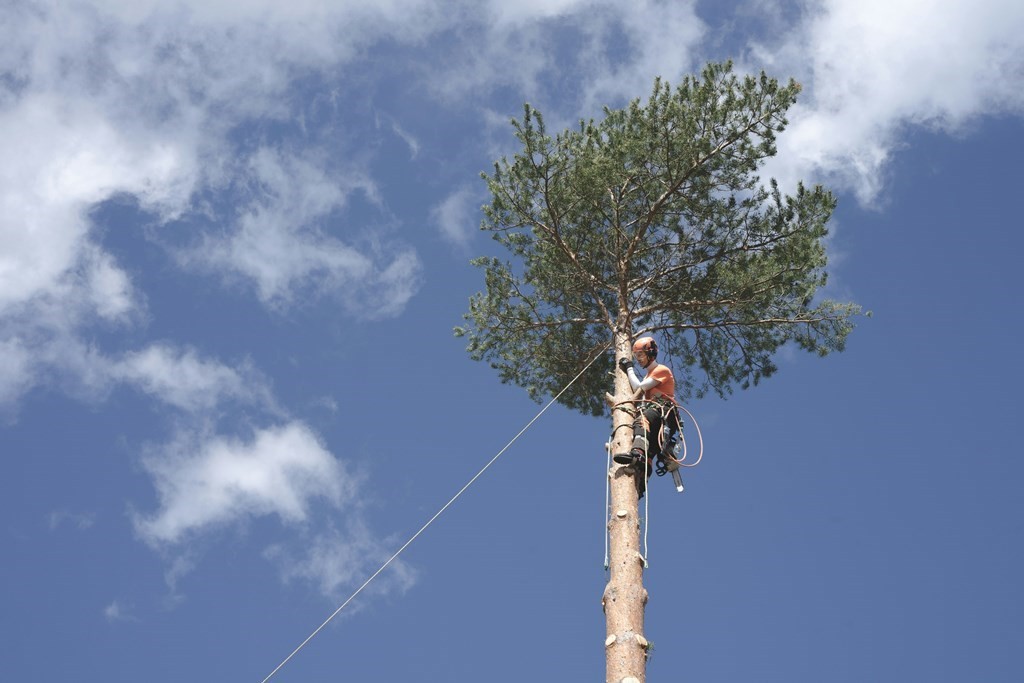
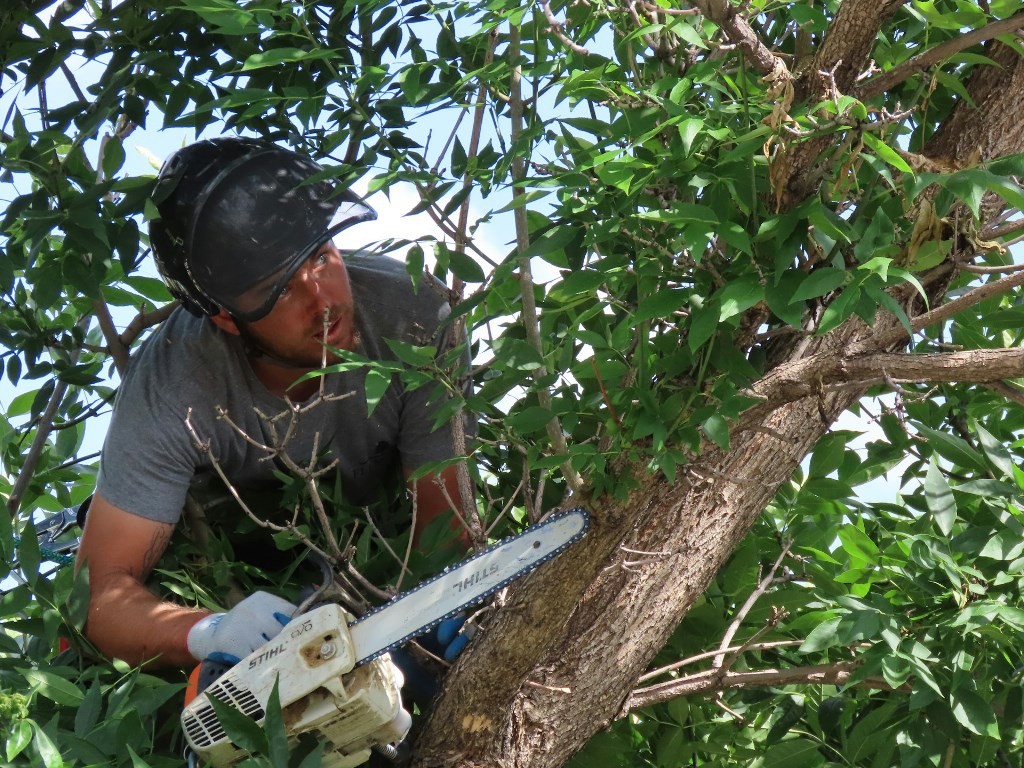
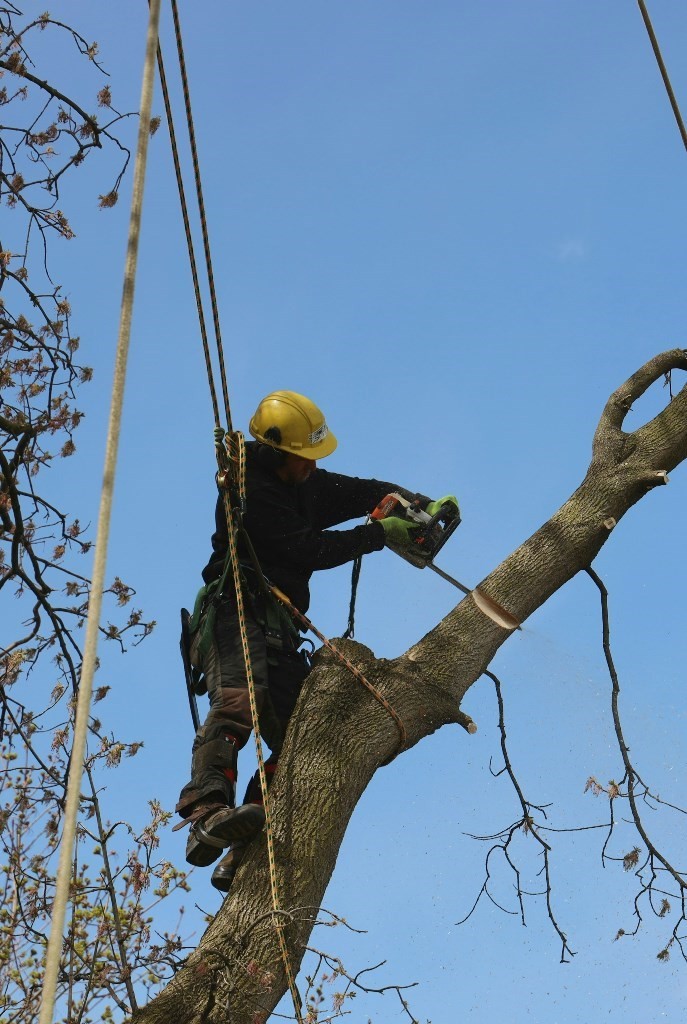
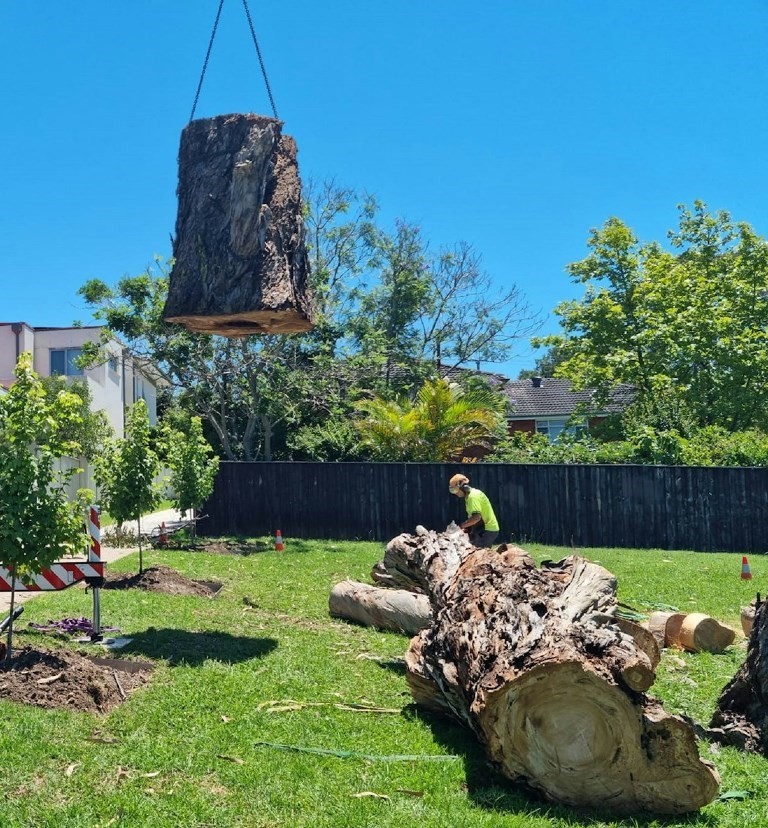
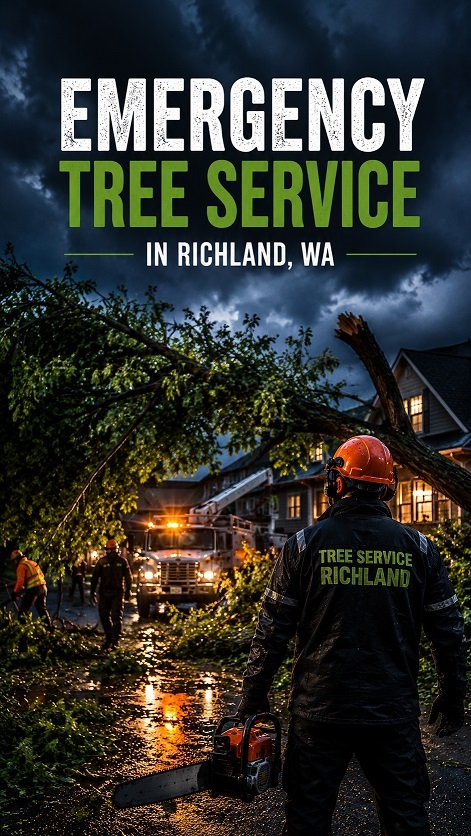
Safety-focused crews employ controlled cutting methods, rigging systems, and professional-grade equipment to stabilize hazardous sections before removal commences. In tighter residential areas throughout Richland and Pasco, careful dismantling becomes critical to avoid damaging nearby homes, fences, vehicles, and utility infrastructure.
Emergency response teams also understand how to work around public safety concerns, blocked roadways, and hazardous debris while coordinating cleanup efficiently. Professional storm recovery services help property owners restore order quickly during stressful situations.
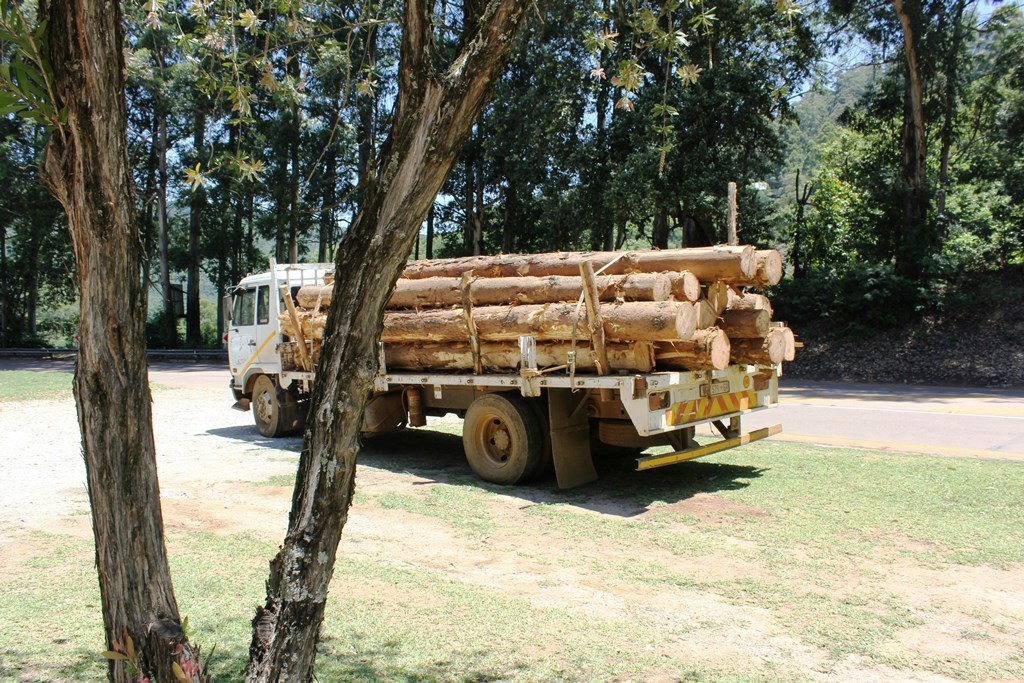
Thorough debris hauling and cleanup are also essential after major storms. Removing broken branches, scattered debris, and unstable sections helps restore safer access to the property while reducing ongoing hazards.
Built Around the Storm Conditions We See Across Eastern Washington
Weather conditions throughout the Columbia Basin create unique challenges for local properties. Sudden windstorms, prolonged drought stress, and compact soil conditions all affect long-term tree stability. Trees weakened over several seasons can fail quickly once heavy wind arrives.
Older neighborhoods throughout Richland and Kennewick often contain mature trees growing close to homes, fences, irrigation systems, and utility corridors. During severe weather, these properties frequently require rapid storm cleanup and emergency removals to restore safe access and prevent further damage.
Spring and early summer are especially active periods for emergency response crews throughout the Tri-Cities area. Wind events during this time of year commonly bring down weakened branches and expose hidden structural problems in older trees.

 Professional tree service company providing tree removal, tree trimming, stump grinding, arborist care, and emergency tree services throughout Richland, West Richland, and the Tri-Cities area.