Identifying and Removing Trees Before They Fail
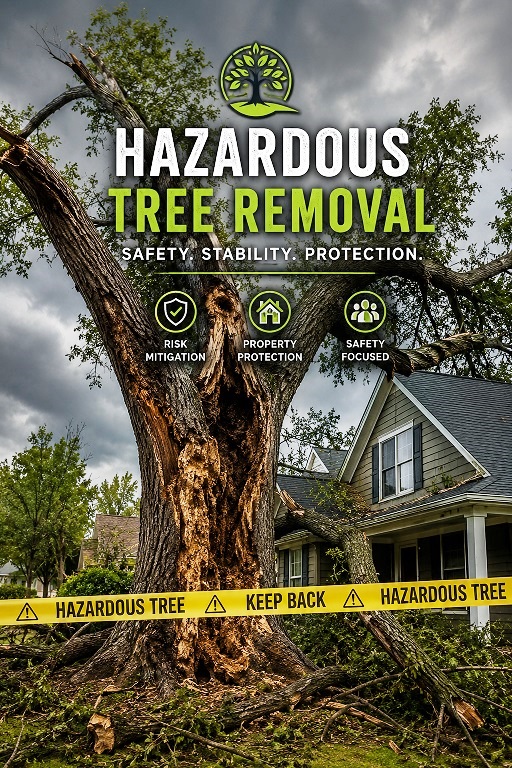
Some trees become hazardous gradually, while others deteriorate quickly after storms, drought stress, or disease exposure. In many cases, homeowners do not realize a tree has become unstable until visible leaning, branch failure, or trunk cracking begins affecting nearby property.
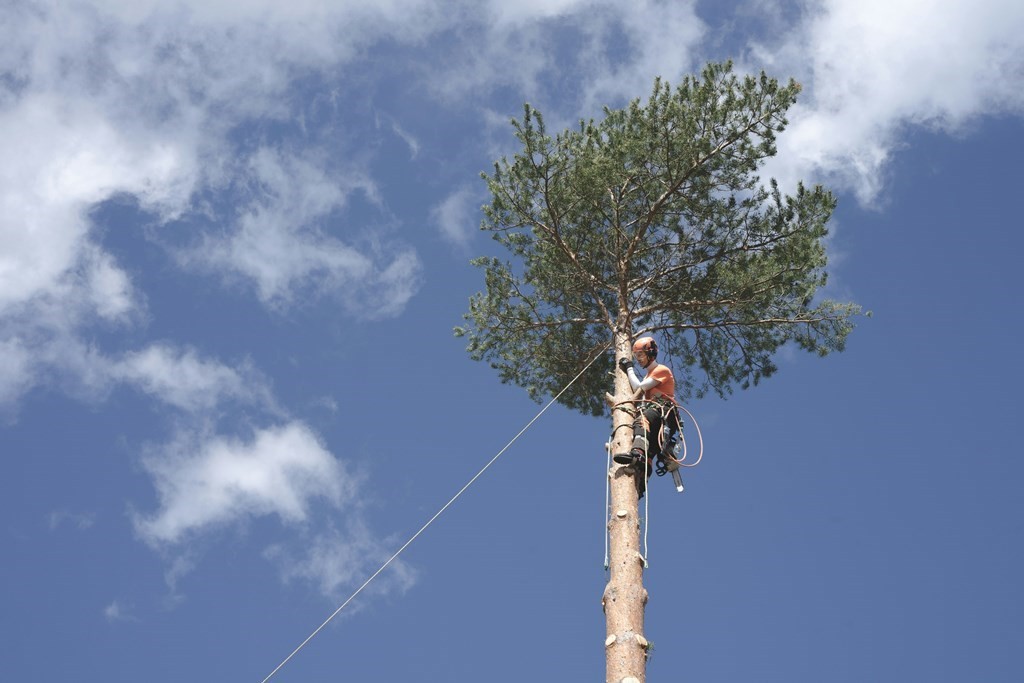
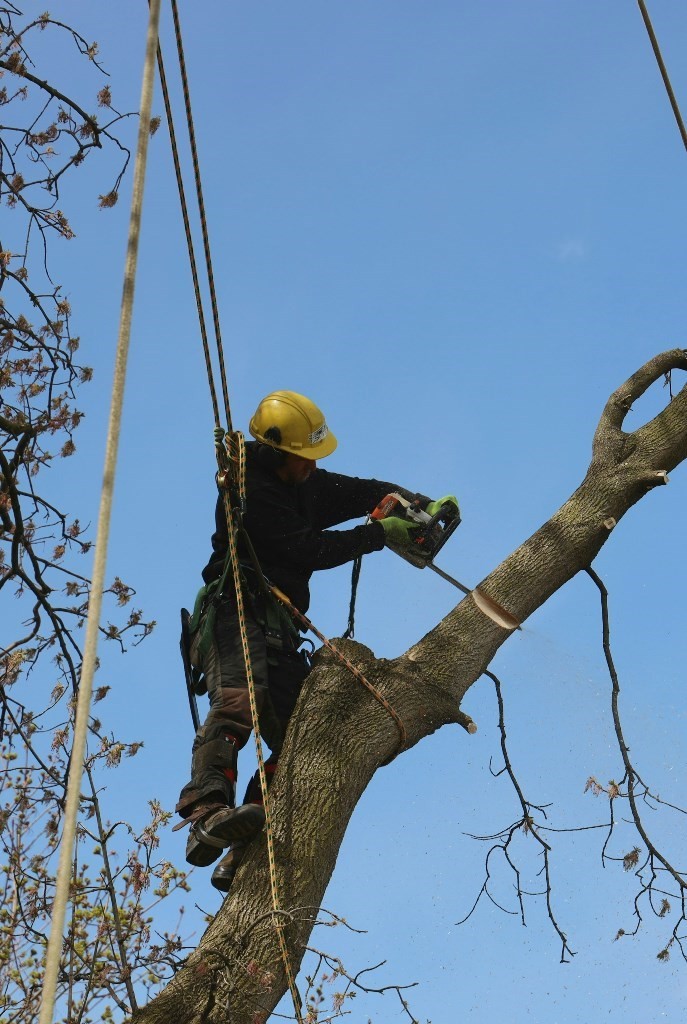
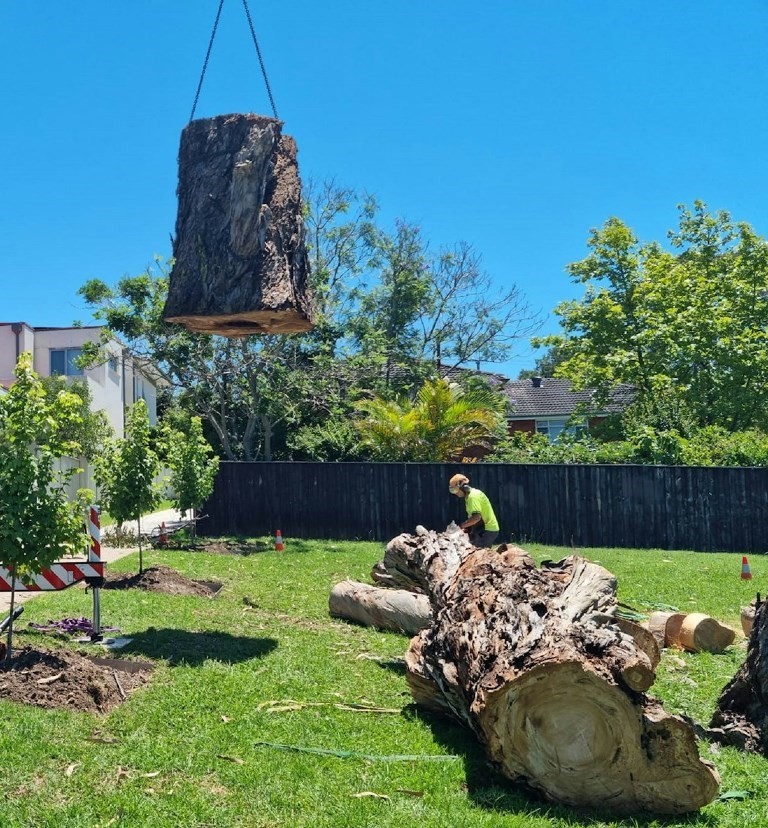
Hazardous tree removal focuses on identifying structural instability and eliminating dangerous conditions before major failure occurs. Depending on the situation, work may involve controlled branch removal, complete tree dismantling, or arborist inspection services designed to evaluate long-term risk factors around the property.
Common hazard-related concerns throughout Richland include:
- Leaning trees near homes or driveways
- Decaying trunks and internal rot
- Cracked limbs hanging over structures
- Storm-weakened trees after heavy winds
- Diseased trees showing structural decline
- Dead branches creating falling hazards
- Root instability affecting tree balance
- Visible splitting or trunk separation
Addressing these issues early often helps property owners avoid expensive emergency situations and major structural damage later.

 Professional tree service company providing tree removal, tree trimming, stump grinding, arborist care, and emergency tree services throughout Richland, West Richland, and the Tri-Cities area.