Hazardous Tree Removal Services in Richland, WA

Hazardous tree removal services for unstable, leaning, diseased, and storm-weakened trees. Professional tree hazard assessment, arborist inspection, risk mitigation, and structural safety solutions to help prevent property damage and dangerous tree failure.

Property owners often contact professional tree service specialists after noticing trees beginning to lean, split, decay, or show signs of serious structural instability near homes and outdoor living spaces. Hazardous tree situations require immediate attention because weakened trunks, unstable root systems, and falling branches can quickly create major safety concerns during periods of high wind or severe weather. As May 2026 brings stronger seasonal windstorms across Benton County, many homeowners throughout Richland are already dealing with storm-weakened trees, cracked limbs, and hidden structural defects that increase the risk of sudden failure.

Dangerous trees rarely improve over time without professional intervention. Early hazard assessment and controlled removal help reduce liability risks while protecting nearby structures, vehicles, landscaping, and public walkways from unexpected damage.

Safety-Focused Crew Licensed & Insured Same-Day Service

Quick Estimate

6 + 1 = ?

Identifying and Removing Trees Before They Fail

Some trees become hazardous gradually, while others deteriorate quickly after storms, drought stress, or disease exposure. In many cases, homeowners do not realize a tree has become unstable until visible leaning, branch failure, or trunk cracking begins affecting nearby property.

Hazardous tree removal focuses on identifying structural instability and eliminating dangerous conditions before major failure occurs. Depending on the situation, work may involve controlled branch removal, complete tree dismantling, or arborist inspection services designed to evaluate long-term risk factors around the property.

Common hazard-related concerns throughout Richland include:

  • Leaning trees near homes or driveways
  • Decaying trunks and internal rot
  • Cracked limbs hanging over structures
  • Storm-weakened trees after heavy winds
  • Diseased trees showing structural decline
  • Dead branches creating falling hazards
  • Root instability affecting tree balance
  • Visible splitting or trunk separation

Addressing these issues early often helps property owners avoid expensive emergency situations and major structural damage later.
Warning Signs That a Tree May Be Unsafe

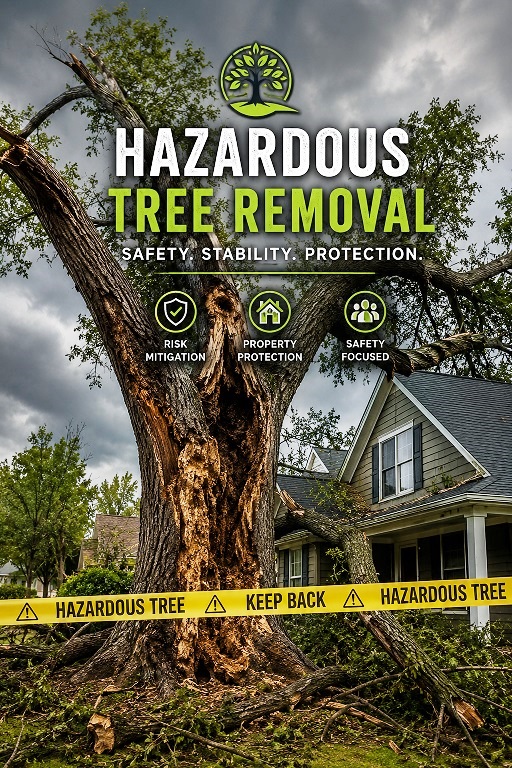
Trees showing structural weakness often display subtle warning signs long before complete failure occurs. Unfortunately, many dangerous conditions remain hidden internally until storms or high winds expose the problem suddenly.

Property owners throughout Benton County frequently request inspections after noticing unusual movement, cracking sounds during windstorms, or branches beginning to fail unexpectedly. Trees with large dead sections, visible cavities, or unstable root systems typically require closer evaluation before conditions worsen further.

Common indicators of structural instability include:

  • Sudden leaning after storms or irrigation saturation
  • Deep trunk cracks or visible splitting
  • Falling branches during moderate wind
  • Fungal growth near the tree base
  • Dead canopy sections spreading rapidly
  • Roots lifting or shifting surrounding soil
  • Trees growing too close to structures or utility lines

In many situations, trees that appear healthy externally may already be experiencing internal decay severe enough to compromise long-term stability.

High-Risk Trees Require Specialized Removal Planning

Hazardous removals involve significantly higher risk than standard tree work. Compromised trunks, unstable branches, and weakened root systems can shift unpredictably during cutting, especially when trees are positioned near homes, garages, vehicles, or public areas.

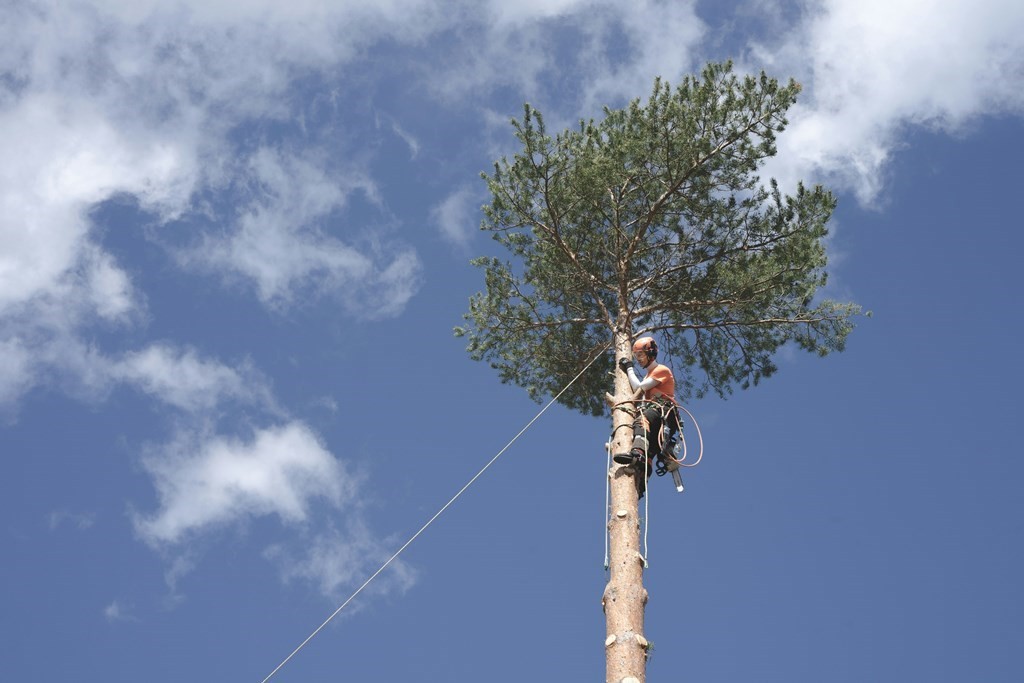
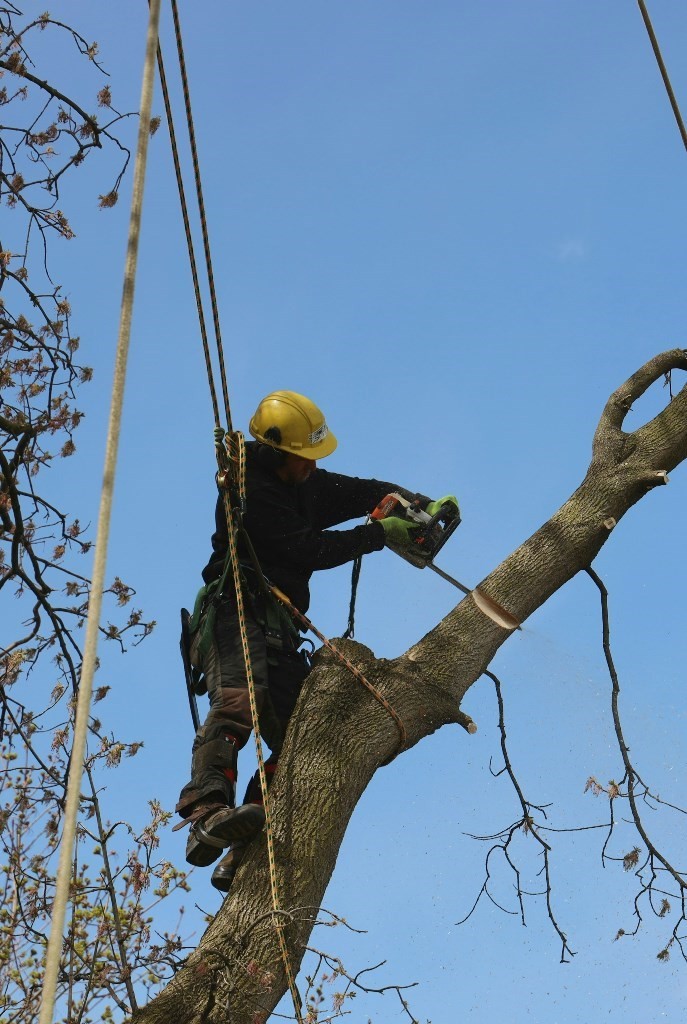
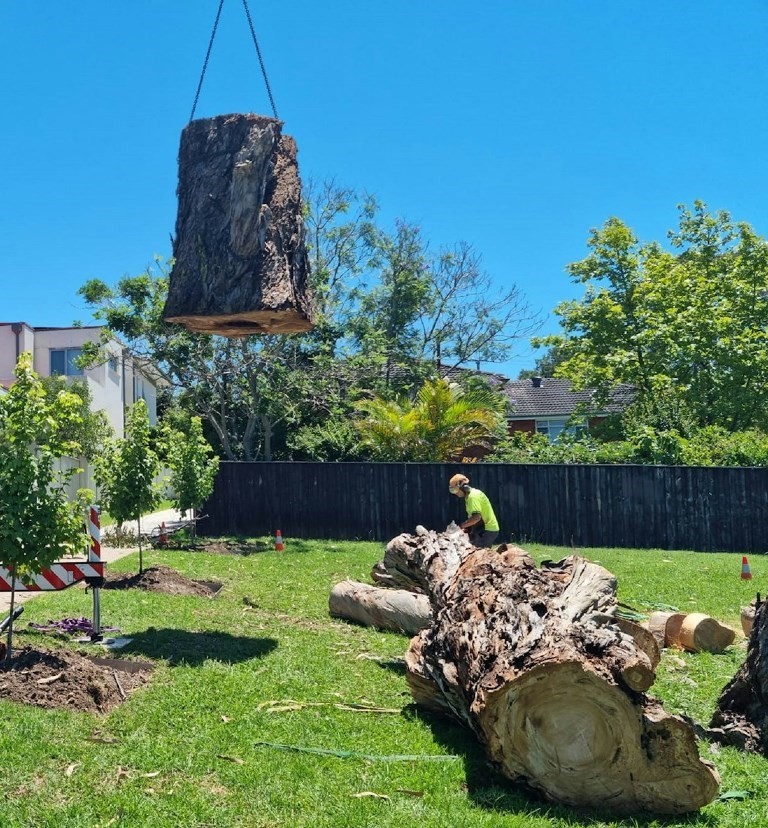
Professional crews use controlled dismantling methods designed to reduce unnecessary movement while protecting nearby structures and outdoor spaces. In some cases, trees require sectional removal techniques or specialized rigging equipment to safely lower damaged limbs and unstable sections without causing additional property damage.

Proper hazard assessment also helps identify liability concerns before failure occurs. Trees showing advanced structural defects near neighboring properties, sidewalks, or public spaces can create significant legal and financial exposure for property owners if ignored too long.

Safety-focused work practices, careful planning, and professional cleanup all play an important role in restoring safer conditions once dangerous trees are removed.

Built Around the Environmental Conditions We See in Eastern Washington

Trees throughout Richland experience unique environmental stress compared to wetter regions of Washington. Long periods of drought, irrigation dependence, seasonal wind exposure, and compact soil conditions all affect structural stability over time.

Mature trees planted decades ago throughout older Benton County neighborhoods often become more vulnerable as root systems weaken and canopy weight increases unevenly with age. High wind events during spring and summer commonly expose hidden decay and structural defects that may have developed gradually over several years.

Many homeowners schedule inspections before peak summer storms arrive to identify hazardous trees early and reduce the risk of sudden branch or trunk failure later in the season.

Additional Services Often Recommended for High-Risk Properties

Properties dealing with unstable or deteriorating trees often require branch removal, debris hauling, or full tree removal services after hazard assessments are completed. Some homeowners also request inspections for nearby trees showing similar signs of decline or storm-related stress.

Trees damaged during severe weather events may also require emergency tree service if immediate removal becomes necessary to restore outdoor safety and property access.

Hazardous Tree Removal Richland WA

A Careful Process Focused on Safety and Risk Reduction

1. Hazard Evaluation

Trees are inspected for visible instability, structural defects, root damage, and nearby property risks.

2. Removal Planning

Crews determine the safest dismantling approach based on tree condition, location, and surrounding structures.

3. Controlled Removal

Hazardous sections are removed carefully using professional cutting, lowering, and stabilization techniques.

4. Cleanup & Site Restoration

Branches, debris, and damaged material are cleared to restore safer outdoor conditions around the property.

Don’t Wait for a Dangerous Tree to Cause Major Damage

Trees showing structural instability rarely become safer over time. Delaying inspections or removal often increases the risk of falling branches, property damage, expensive emergency cleanup, and liability concerns during severe weather.

Whether you need a professional hazard assessment or immediate removal of an unstable tree, experienced local crews are ready to help homeowners throughout Richland restore safer conditions and protect their property from unnecessary risks.