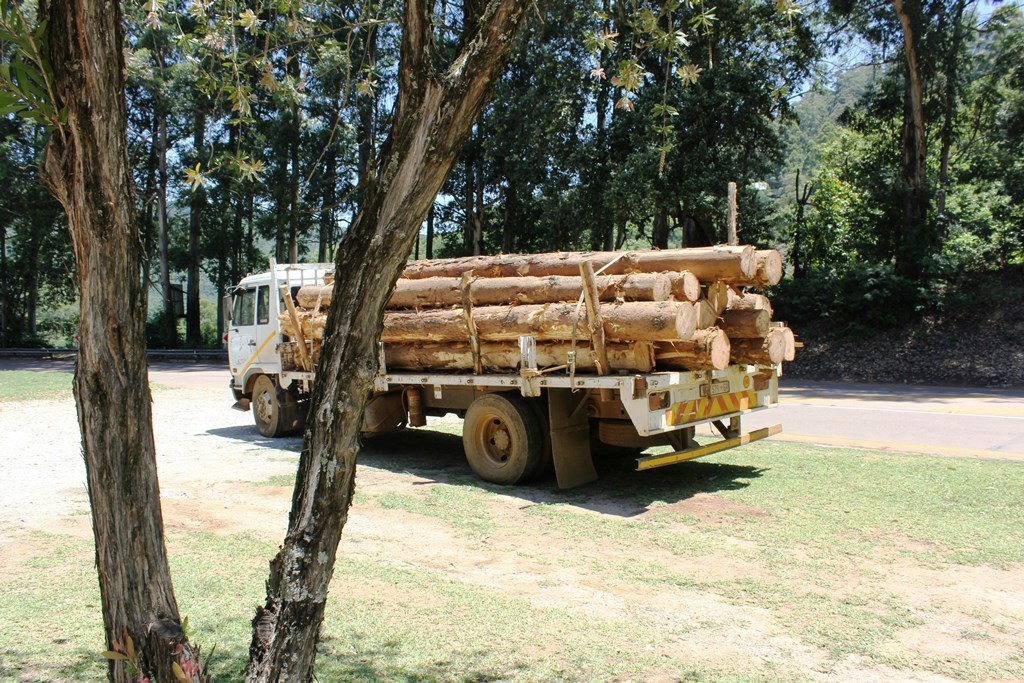
Controlled Cutting Requires Experience, Planning, and Precision
Tree cutting is highly technical work when performed near homes, garages, fences, utility lines, and landscaped areas. Improper cutting angles, poor directional control, or inadequate rigging systems can quickly lead to structural damage and dangerous working conditions.
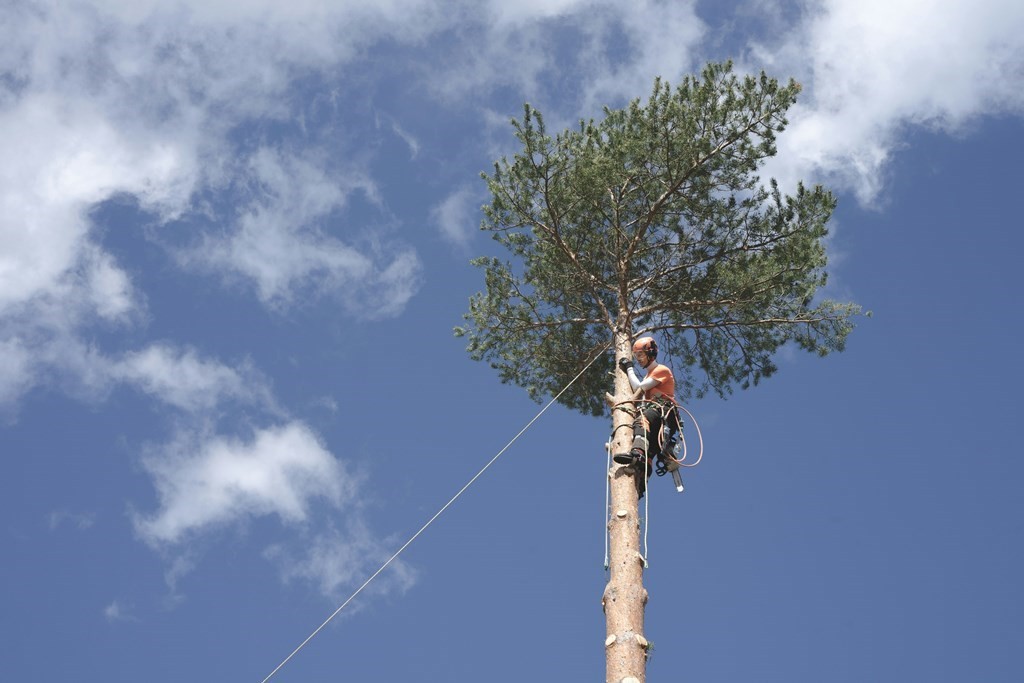
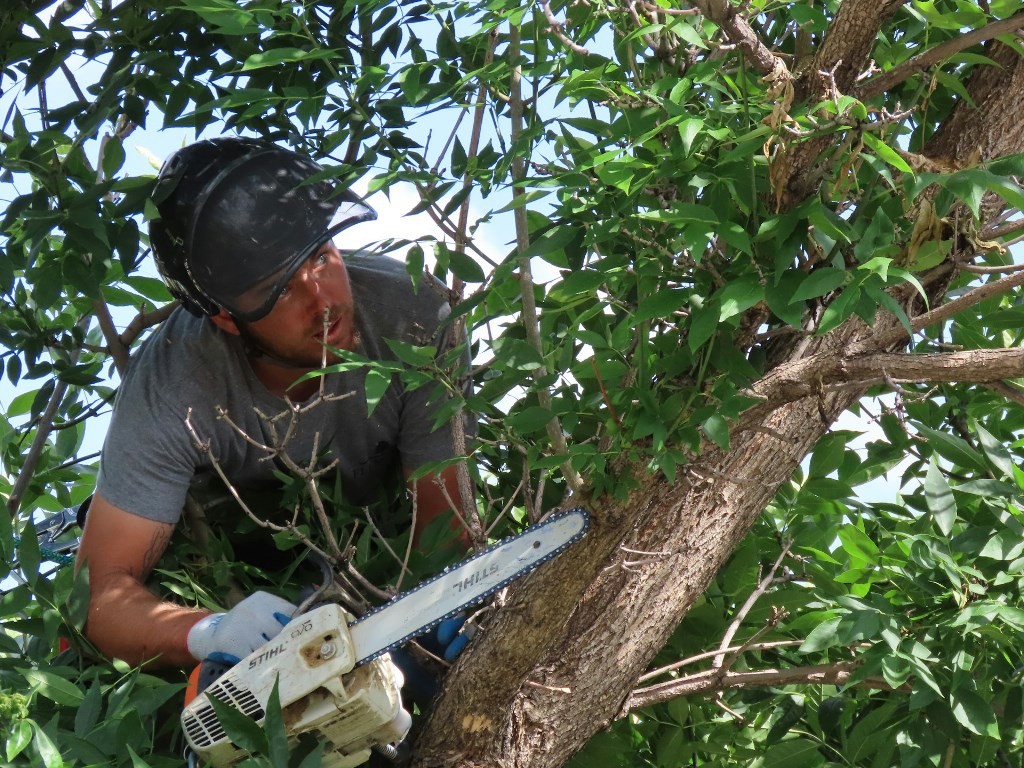
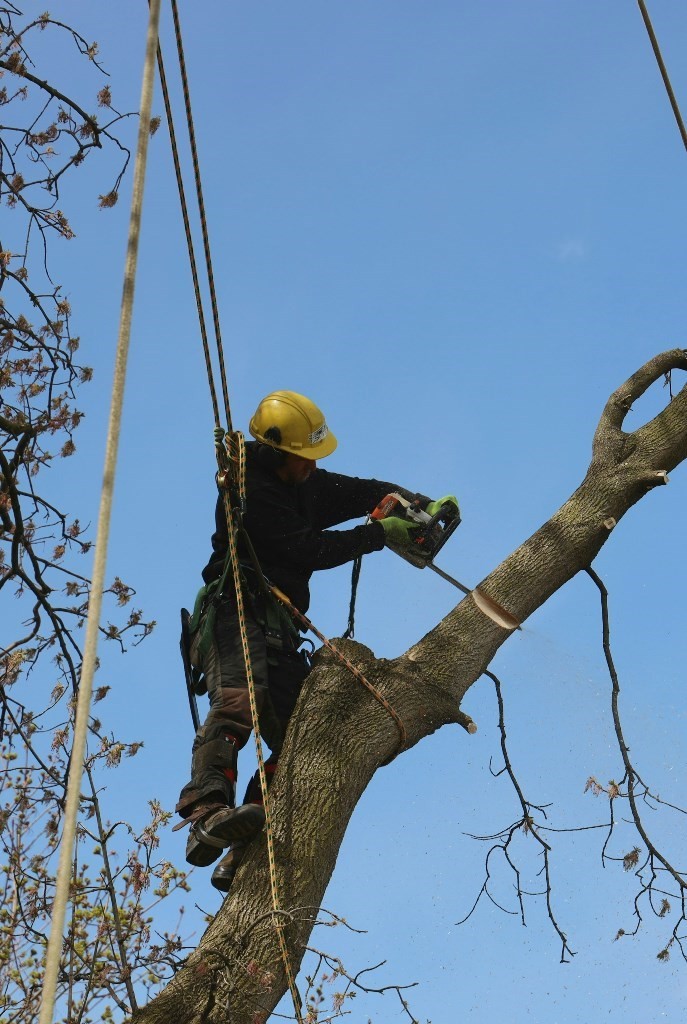
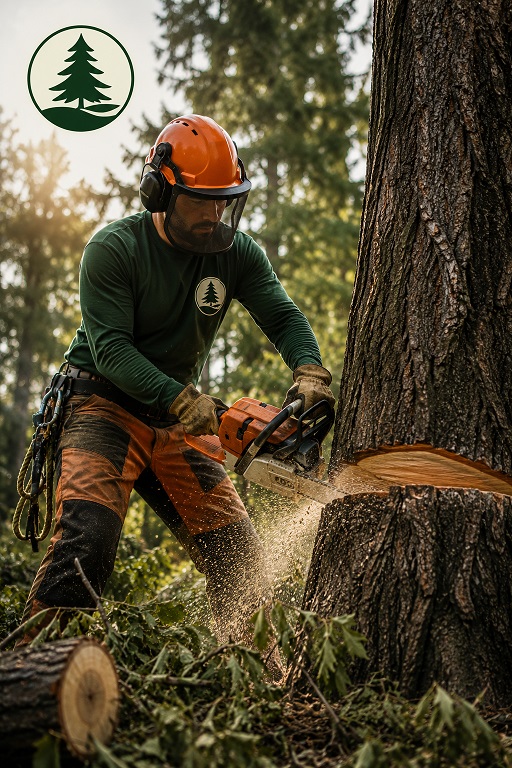
Experienced climbing crews use professional safety gear, rigging systems, and controlled cutting techniques to manage tree movement carefully throughout the dismantling process. Directional felling methods help guide larger sections safely while minimizing impact on surrounding property.
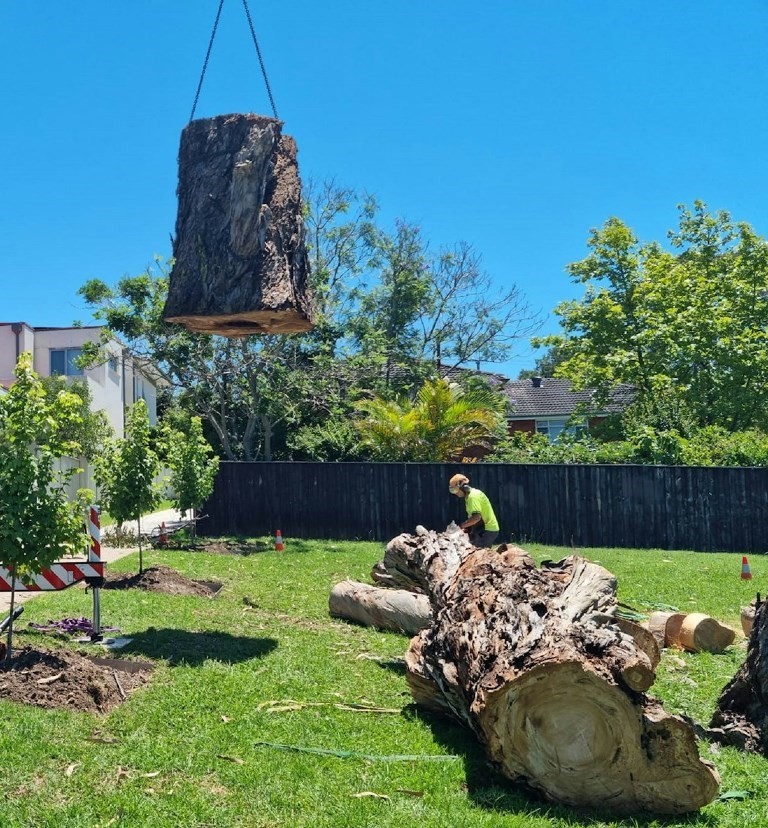
Confined-space projects often require sectional dismantling rather than full straight-line felling. This allows crews to lower branches and trunk sections gradually while maintaining greater control around obstacles and tight access areas.
Professional planning also helps reduce cleanup complications and unnecessary disruption to nearby landscaping during larger cutting projects.
Built Around the Property Conditions We See Across Eastern Washington
Properties throughout Richland and the surrounding Columbia Basin often present unique access and environmental challenges for tree cutting projects. Dry soil conditions, mature root systems, irrigation layouts, and tightly spaced residential neighborhoods all affect how removals must be planned safely.
Many older properties throughout the Tri-Cities area contain mature trees planted decades ago before current neighborhood layouts and landscaping features were developed. As those trees continue growing, they often create access limitations and clearance concerns around homes, driveways, and outdoor structures.
Spring and early summer are especially active times for cutting and lot preparation projects as homeowners begin seasonal property upgrades, landscaping improvements, and construction planning before peak summer heat arrives.

 Professional tree service company providing tree removal, tree trimming, stump grinding, arborist care, and emergency tree services throughout Richland, West Richland, and the Tri-Cities area.