Why Proper Pruning Techniques Matter Long-Term
Improper trimming methods often create more problems than they solve. Overcutting, topping, and aggressive branch removal weaken natural growth patterns and leave trees vulnerable to stress, decay, and future instability.
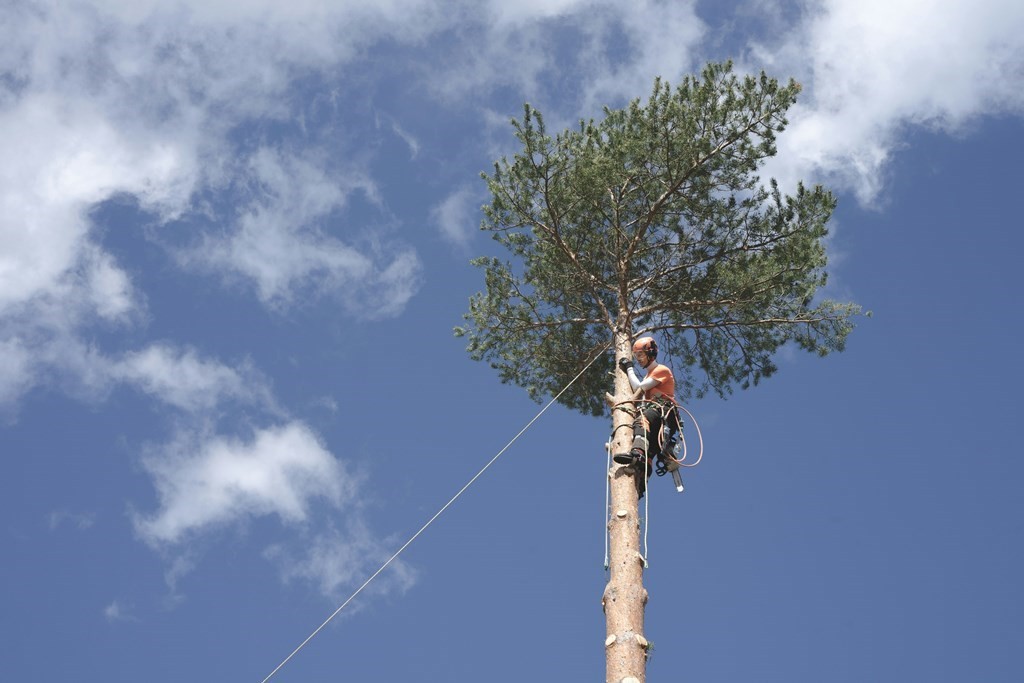
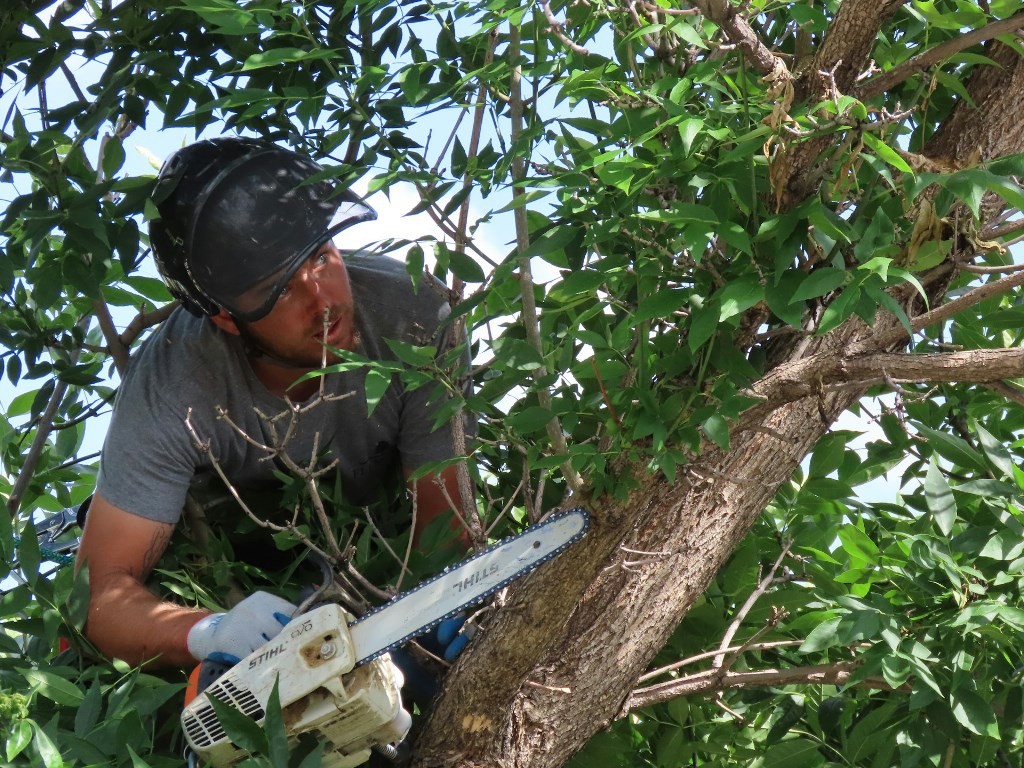
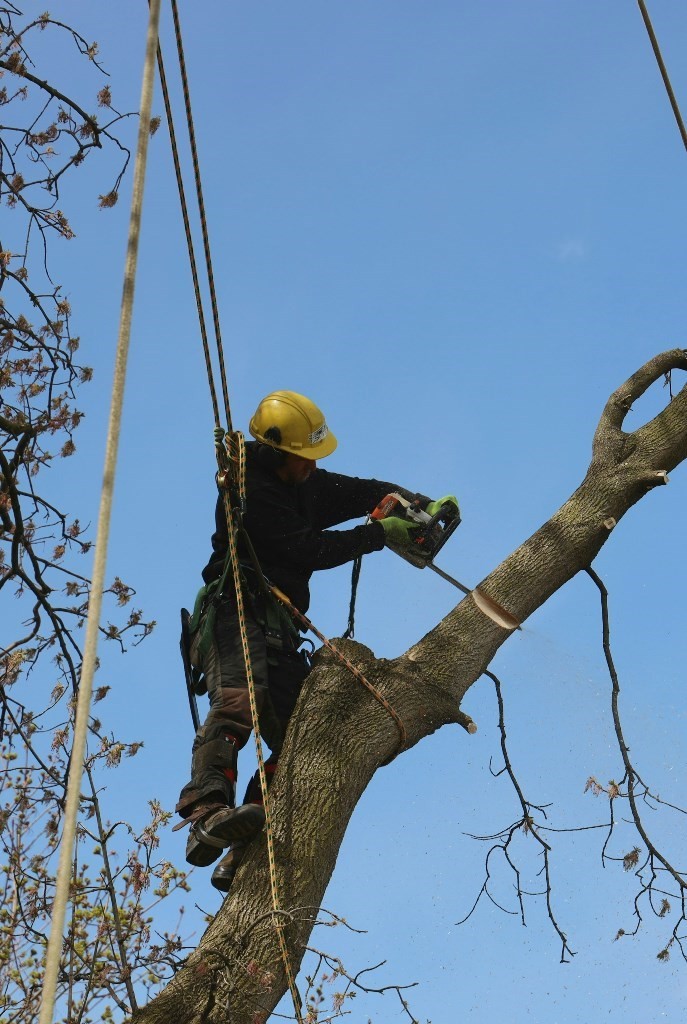
Experienced arborists follow ISA pruning standards designed to protect long-term tree health while improving structural balance and appearance. Every cut affects future growth, sunlight exposure, and the overall condition of the canopy.
Professional crews also understand how different species respond to seasonal pruning. Some trees benefit from selective thinning during active growth periods, while others require more conservative maintenance to avoid unnecessary stress during hot summer conditions common throughout Eastern Washington.
Careful pruning also helps preserve landscape aesthetics. Balanced canopies, controlled growth, and cleaner branch structure create a more polished appearance while supporting healthier long-term development.
Built Around the Growing Conditions We See in Eastern Washington
Trees growing throughout the Columbia Basin experience very different conditions than landscapes in wetter parts of the Pacific Northwest. Dry summers, irrigation dependence, strong seasonal winds, and fluctuating temperatures all affect growth patterns and canopy density over time.
Mature trees throughout Richland neighborhoods often develop uneven canopies after years of unmanaged growth combined with drought stress and seasonal weather exposure. Professional maintenance helps restore healthier balance while reducing excessive strain on larger limbs.
Late spring and early summer are especially important times for evaluating canopy growth before peak summer heat arrives. Addressing overcrowded branches early often improves airflow and helps trees handle warmer weather more effectively.

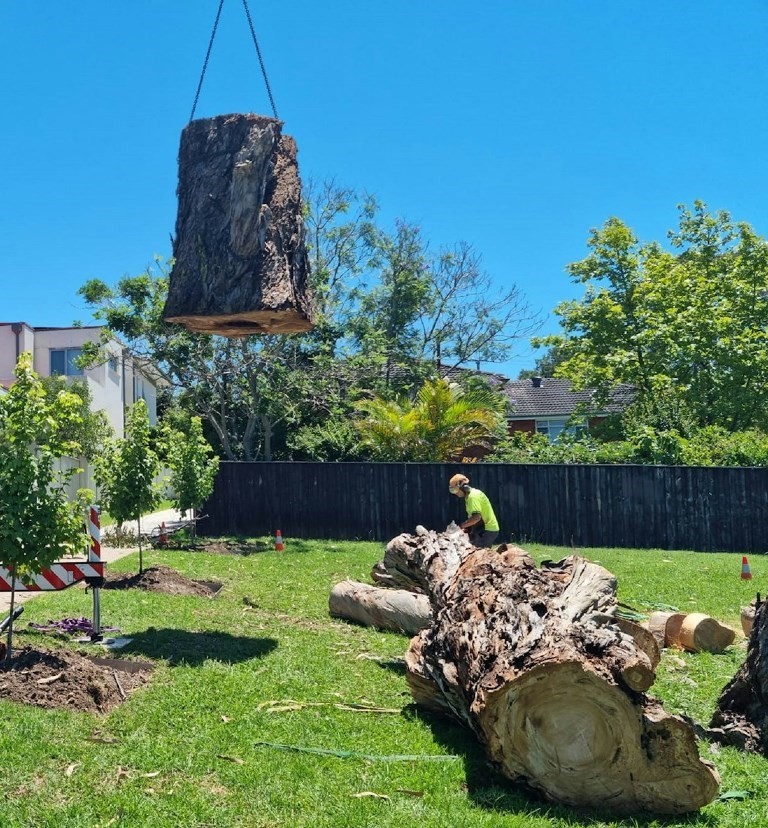
 Professional tree service company providing tree removal, tree trimming, stump grinding, arborist care, and emergency tree services throughout Richland, West Richland, and the Tri-Cities area.